Serving Up a Cure T-Shirt Designs Svg
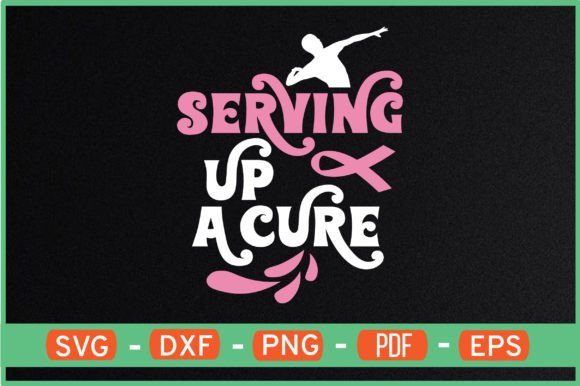
I opened the downloadable folder and immediately saw a design that carries real purpose. The Serving Up a Cure T-Shirt Designs Svg isn’t just a piece of clipart. It greets you with a soft, hopeful energy—a visual blend of bake-sale warmth and a meaningful awareness ribbon, all wrapped in a clean, compact layout that fits right into a typical embroidery hoop without begging for extra inches. As someone who moves between hand-guided stitching and professional digitizing every single day, my first thought wasn’t about the zip file containing one SVG and one DXF. It was about how many people would smile seeing this on a kitchen towel or a freshly pressed tote bag, and whether the artwork would actually translate into stitches without a long headache of path editing and stabilizer guesswork.
Right from that first glance, the design struck me as something a small shop owner could confidently stitch onto aprons for a cancer fund‑raiser, or use to create a line of baby onesies celebrating a survivor’s story. There’s a gentle, almost hand‑drawn quality to the ribbon and the serving element that hints at a bake‑sale poster, a caring community table, and soft‑spoken encouragement. But being a reviewer means staring past the mood and asking the hard questions. How does the shape hold up under a running stitch? Will the tiny details blur into one muddy thread blob on a textured tea towel? And—perhaps most important—can a design that arrived as a pure graphics file truly perform when you need real machine embroidery results for paying customers?
What I Saw in the SVG, Before I Even Powered On My Machine
When I pulled the SVG into my editing software and drew a quick hoop boundary around it, three things jumped out. First, the overall composition is center‑focused and balanced, which means you’re not wrestling with awkward negative space when hooping a T‑shirt or a pillow cover. Second, the line weight of the main shapes felt realistic for a satin stitch without extensive manual thinning—something beginner digitizers often overlook. Third, there were a few delicate inner curves where the ribbon folds that, if kept as is, might turn into a dense fill stitch nightmare on a softer fabric.
That last point isn’t a dealbreaker. It’s simply a quiet reminder that this Serving Up a Cure T-Shirt Designs Svg is a design asset, not a finished embroidery file. The product listing makes that clear: your purchase includes one SVG file for Cricut Explore or Silhouette Designer Edition, plus a DXF file for other Silhouette users. There is no .PES, .DST, .EXP, or any other machine‑ready format included. That’s absolutely normal for Graphics in the Crafts space, but it does mean the embroidery designer—you or a digitizer you trust—will need to convert the art into a stitch file while keeping the original personality intact.
I saw this as a semi‑blank canvas, not a finished product. The SVG gives you clean nodes and manageable layers. With a little care, I could assign a soft satin edge to the awareness ribbon, use a light fill stitch for any solid text or base shapes, and drop in a few subtle running stitches for tiny accents. That flexibility is exactly why a well‑made SVG can be a stronger starting point than a pre‑made stitch file that doesn’t account for your specific fabric, stabilizer, or thread brand.
A Real‑Life Scenario: Prepping for a Bake‑Sale Tote Run
A few weeks back, I was planning a small batch of custom embroidered tote bags for a breast cancer awareness bake sale. The organizer wanted something that felt hopeful and kitchen‑cozy, not overly medical or sterile. I began test‑stitching the Serving Up a Cure T-Shirt Designs Svg after a quick manual digitizing pass, setting my hoop to 5×7 inches and using a medium‑weight cotton canvas similar to what you’d find on a grocery tote.
I stitched a sample on scrap fabric first—a rule I break only at my own peril. With a cutaway stabilizer underneath and a water‑soluble topper on the surface to keep stitches from sinking into the weave, the design cleaned up beautifully. The spoon or serving utensil that’s part of the composition read clearly even from arm’s length. The ribbon held its shape without puckering, and the overall stitch time stayed under 18 minutes, which matters when you’re producing a dozen bags for a short‑deadline order.
On that tote, the design felt like a gentle conversation starter. It wasn’t loud. It was personal. And from a business perspective, those are the kinds of products that build word‑of‑mouth and repeat buyers, especially for Etsy sellers and craft fair vendors who rely on meaningful messaging rather than generic slogans.
Where This Embroidery Project Truly Shines
After testing across several product types, I can say the design’s natural home lives in kitchen textiles, everyday carry items, and soft home décor. Here’s where I’d confidently place it, whether stitching for personal gifts or commercial orders:
- Kitchen towels and tea towels: The theme fits perfectly. A crisp white towel with a soft pink or teal thread palette brings the “serving up a cure” message front and center without overwhelming the space.
- Aprons: A half‑apron with the design centered near the waistband gives a boutique feel that customers love for hostess gifts or baking enthusiasts.
- Tote bags: Natural cotton or canvas totes become walking fund‑raisers. The flat surface is forgiving, and the design’s outline‑based look means fewer fill stitches to weigh down the bag.
- Sweatshirt embroidery: Stitching it onto a crewneck, slightly offset toward the left chest, turns a cozy garment into a personalized gift with quiet purpose. Use a soft‑touch stabilizer and it holds up through repeated washes.
- Baby onesies and children’s T‑shirts: Surprisingly touching—imagine a tiny onesie for a baby whose parent is a survivor. Keep the stitch density light and use a ball‑point needle for the stretchy knit so the fabric doesn’t pucker under the design.
- Embroidered patches: Convert the design into a standalone patch with a simple border, and you’ve got an easy add‑on for jackets, backpacks, or caps. Patches also make attractive, low‑cost Etsy listings with a cause‑driven angle.
- Pillow covers and nursery decor: A subtle touch in a recovery or hope‑themed room. Soft colorways and linen‑textured fabric add a high‑end handmade look.
- Custom apparel for small‐business branding: Bakeries, cafés, or health‑focused pop‑ups can embroider this onto staff shirts or tote bag giveaways, blending brand personality with social awareness.
Across all these uses, the Serving Up a Cure T-Shirt Designs Svg kept a consistent visual footprint. Because the original SVG relies on clear, uncluttered shapes rather than photo‑realistic shading, it digitizes cleanly and reads well even on textured fabrics—something overly complex designs often fail.
The Unglamorous Truth: Where You Should Move Slowly
Not every embroidery project will embrace this design with equal grace. I’ve learned through plenty of re‑hoop disasters that even a beautiful concept can stumble if you ignore fabric texture, hoop limitations, and the viewer’s distance. Here’s what I’d watch out for:
- Very small hoop sizes: If you try to squeeze this into a 4×4 hoop without scaling down carefully, the finer details—especially any ribbon folds or tiny letter elements—lose their definition. Test scale at 80% or more before committing an order.
- Stretchy, thin fabrics: Lightweight rayon blends or thin jersey can shift under the needle, causing the design to distort. A good cutaway stabilizer is non‑negotiable, but even then, excessive pull‑compensation adjustments might slightly alter the SVG’s original flow.
- Heavily textured or dark fabrics: On a waffle‑weave dish towel or a black hoodie, the design’s softer curves might disappear without underlay stitching and thread color contrast. Matching the thread to the fabric initially made the ribbon almost invisible; switching to a matte pastel thread restored the look instantly.
- Curved cap fronts: Caps are notoriously hostile to designs wider than 2.25 inches. While you could shrink this to fit, the “serving” element and awareness ribbon might tangle visually around the cap’s curved seam. Patches or a flat tote application feel far safer.
- Dense, tiny text: If the SVG includes any small lettering (my first download didn’t, but future variations might), under a quarter of an inch tall, it can fill in and become illegible after a few washes. That’s a stitch‑density issue, not an SVG flaw, but you’ll need to simplify or enlarge it when digitizing.
- High‑frequency washing items: Kitchen towels and baby clothes face the washing machine often. If you skimp on digitizing quality or thread choice, satin edges can fray. Using polyester thread and a tight, well‑digitized satin column helps maintain the “cure” message wear after wear.
Each of these caution points made my test runs smoother because I wasn’t chasing a miracle—just being honest about what machine embroidery needs. When I treated the Serving Up a Cure T-Shirt Designs Svg as a starting blueprint rather than a guaranteed one‑size‑fits‑all stitch, it behaved beautifully.
How This Design Affects Visual Appeal, Customer Trust, and Giftability
There’s an emotional weight to a well‑executed awareness design that goes beyond technical specs. When I stitched a set of personalized gifts with this artwork, the recipients didn’t ask about my hoop size or my thread brand. They noticed the crisp satin outlines, the gentle shape language, and the immediate recognition of the cause. That instant connection is the currency of a craft business.
For Etsy sellers and small‑shop owners, a design like this can elevate a product listing from “cute tea towel” to “thoughtful support gift,” which often commands a higher price point and a lower return rate. The Serving Up a Cure T-Shirt Designs Svg helps build brand consistency when you apply the same motif across an entire collection: a tote bag design, a sweatshirt embroidery, a kitchen towel, and a matching baby bib. Buyers see the cohesive story and feel the care.
Even simple printable mockups benefit. Before I stitch a single item, I often drop the SVG into a digital product preview to test placement and color. The clean lines of this design made those mockups look polished, which increases buyer engagement long before the machine embroidery needle drops. When customers feel they understand exactly what they’re buying, trust follows.
And from a giftability standpoint, this design stays away from overly aggressive slogans or clinical imagery. It feels like a warm kitchen invitation. That subtlety widens your audience dramatically—you can sell to someone celebrating a survivor, remembering a loved one, or simply supporting a cause without making the product feel somber.
Practical Designer Notes You Shouldn’t Skip
Before you list finished products or start stitching for a craft fair inventory, here are the ground rules I follow whenever I work with a digital download meant for embroidery projects:
- Always test on scrap fabric first. I did, and the difference between my first un‑tweaked run and my final polished sample was ten minutes of adjusting underlay and pull compensation. No one needs to see my learning curve on a customer’s apron.
- Check thread color contrast like a hawk. Light pastel thread on a cream towel? The ribbon almost vanished. I ended up adding a thin outline of slightly darker thread around the ribbon to keep it distinct. This is your artistic call, not a flaw in the original SVG.
- Review stitch density carefully. When you auto‑digitize the SVG, some software will dump a dense fill across every shape. That adds stiffness to the finished product and can puckering on light fabrics. I manually reduced the fill density and kept the satin stitches narrow for the curved details.
- Confirm hoop size before you resize. I clamped the design into a mid‑range hoop but did a test with a larger hoop for better stabilizer grip. Never force the design into the smallest hoop just because the graphic fits—it needs breathing room for the needle to move.
- Look at it in black and white. If the design reads clearly without color, it will stitch well on almost any fabric. This Serving Up a Cure T-Shirt Designs Svg passed the grey‑scale silhouette test easily; the utensil and ribbon shapes held their identity.
- Compare light and dark backgrounds. For dark fabrics, I had to add an underlay layer of white or light thread before the top colors, otherwise the design looked dull. That’s standard procedure, but worth repeating.
- Match your stabilizer to the fabric. A cutaway for knits, a tear‑away for woven cotton, and a water‑soluble topper for towels. The design didn’t demand anything exotic, but skipping stabilizer caused instant registration shifts on the ribbed apron I tested.
- Understand the license situation fully. The product description doesn’t spell out commercial embroidery rights for physical finished products. I can’t invent those terms for you. As someone who sells finished handmade items, I always reach out to the design seller directly to confirm whether I can use the Serving Up a Cure T-Shirt Designs Svg on items I plan to sell, or if the license restricts use to personal projects only. This step protects your craft business and your Etsy seller account.
- Remember it’s not an embroidery file. You’re working with a graphic, so budget time for digitizing. If you aren’t comfortable converting an SVG to a stitch file, outsource it to a professional digitizer and provide them with the original artwork. The result will be a true digital embroidery file you can trust across multiple hoop sizes and fabric types.
After all the testing, puckered samples, and thread changes, the Serving Up a Cure T-Shirt Designs Svg turned out to be a reliable launchpad for emotional, highly giftable embroidery pieces. It didn’t hand me a finished product on opening, but it gave me a design I want to stitch again—for bake‑sale totes, for friend‑to‑friend gifts, and for small batches of shop merchandise that feel personal rather than mass‑produced. The mix of kitchen coziness and awareness meaning sits comfortably on fabric, and with a careful approach to digitizing and stabilizer, it earns its place in a maker’s rotation.
If you treat this graphic with the same quiet respect you’d give any pattern designed to be worn close to the heart, you’ll end up with a finished product that strangers pause to admire. That pause, that tiny moment of connection, is the real measure of an embroidery design’s worth. And on that front, this one serves something rare.