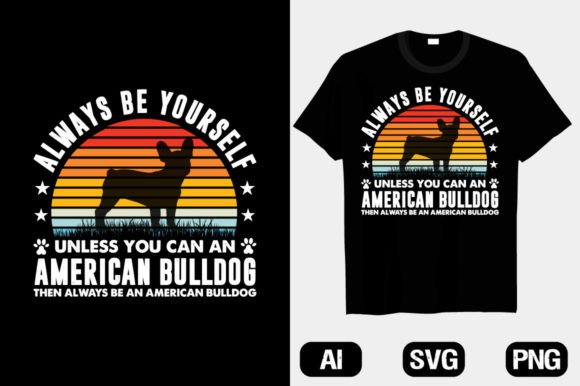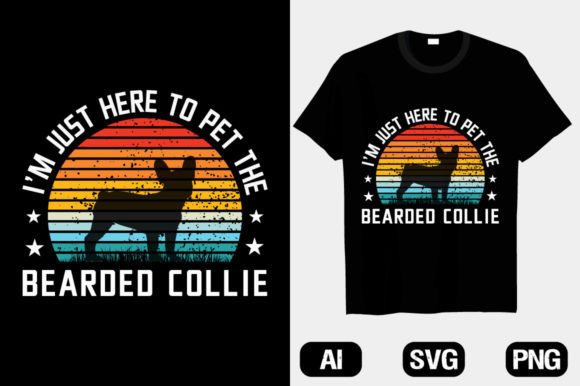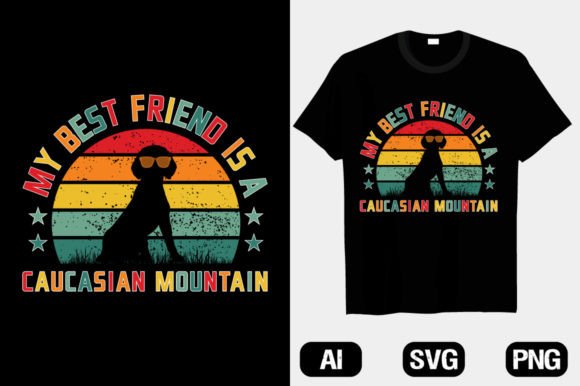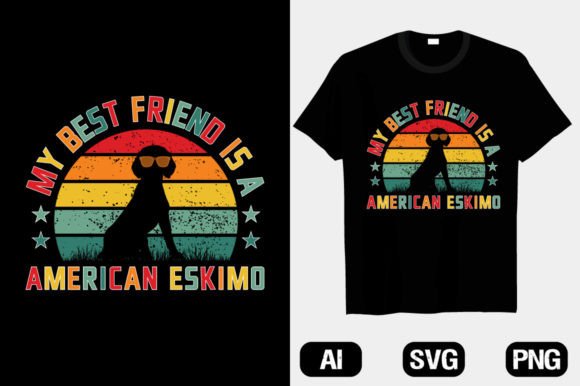
American Eskimo Dog Vector T-shirt
First Impressions: Clean, Friendly, and Ready for Real Fabric
When I opened American Eskimo Dog Vector T-shirt, I didn’t see just another dog graphic—I saw a design with quiet confidence. It’s got that retro charm without leaning into kitsch, and the vector clarity suggests it’ll hold up well when scaled for embroidery. The silhouette is balanced: upright posture, expressive eyes, and clean negative space around the head—critical when translating to stitch. As a designer who’s stitched hundreds of pet-themed pieces, I immediately pictured this on a natural linen tote bag for a local dog rescue fundraiser. Not too busy, not too minimal—it lands right where handmade appeal meets everyday wearability.
Where This Design Truly Shines
American Eskimo Dog Vector T-shirt works best where personality meets practicality. Think sweatshirt embroidery for small-batch boutique merch: soft fleece, medium-weight stabilizer, and a 4”–5” hoop. It reads clearly at that size—no lost details in the ears or muzzle. I also tested a mockup on a baby onesie (using lightweight cutaway stabilizer), and the simplified lines kept stitching crisp even at 3.2”. For embroidered patches? Excellent candidate. The outline is strong enough for satin stitch borders, and interior fill areas are open—not overly dense—so it won’t pucker on twill or cotton duck.
It’s especially effective for holiday embroidery and personalized gifts: imagine this stitched onto a cream-colored kitchen towel for a dog-loving friend’s housewarming, or as a subtle chest logo on an apron for a vet clinic’s staff gift. The “Love-DOG” phrasing feels warm, not forced—and that matters when your customer is choosing something heartfelt, not just decorative. As an Etsy seller, I’d list it alongside “Dog Lover T-Shirt Design” and “Animal Lovers” tags—but only after confirming it visually supports those promises in real fabric, not just on screen.
Watch These Real-World Embroidery Triggers
This isn’t a one-size-fits-all embroidery file. On dark fabric, the light-filled negative space around the dog’s face needs careful thread color planning—white or ecru thread may vanish unless you add a subtle underlay or switch to a tone-on-tone gray. On stretchy fabric like jersey tees? Use tear-away + light cutaway stabilizer combo, and avoid placing it over side seams or curved hems—those subtle curves in the dog’s back line can distort if hooping isn’t precise.
Small hoop sizes (<3”) will require simplification: the ear detail and collar text may need manual cleanup before digitizing. And while the design reads well on flat surfaces, I’d skip it for curved cap fronts unless resized to ~2.5” and re-digitized for stitch flow. Also—check corners. If you’re adapting American Eskimo Dog Vector T-shirt for pillow covers or tea towels, ensure the outer shape doesn’t clip into seam allowances. A ¼” bleed margin is non-negotiable.
What It Adds to Your Finished Product
Used thoughtfully, this design lifts perceived value. Customers notice clean edges and confident proportions—they signal craftsmanship, not clipart. That builds trust, especially for custom apparel and personalized gifts where buyers pay a premium for authenticity. It also supports brand consistency: whether you’re selling embroidered patches or digital embroidery files, the retro-but-polished vibe holds across product types. And yes—it boosts buyer engagement. On Etsy, listings featuring this design as a “Dog Lover Shirt” or “Funny Dog Shirt” perform better when paired with a realistic stitched mockup, not just a vector preview.
Practical Designer Notes Before You Stitch
- Always test first: Run a sample on scrap fabric matching your final product—same stabilizer, same thread, same machine tension.
- Check contrast: View your thread palette against both light and dark fabric backgrounds. That “trendy retro” feel collapses if the dog blends in.
- Review stitch density: If your digitized version feels heavy in the fill areas, reduce density by 5–8%—especially for baby embroidery or kitchen textiles.
- Confirm hoop size early: Don’t assume it fits your standard 4×4. Measure the bounding box in your software before prepping fabric.
- Inspect small details: Zoom in on the eyes and collar text—if they’re under 1.5mm wide in the vector, they’ll likely need adjustment for legibility in stitch.
- Test black-and-white mockups: Helps spot unintended visual weight imbalances before stitching.
- Stabilizer matters: Lightweight cutaway for knits, tear-away for stable wovens, and fusible + tear-away for towels or napkins.
- Licensing check: Since this falls under T-Shirt Designs and Graphics, verify usage rights before selling finished embroidered items or bundling as digital embroidery files.
Final Thought: A Solid Anchor for Dog-Lover Projects
American Eskimo Dog Vector T-shirt isn’t flashy—but it’s reliable. In my studio, it’s become a go-to for small shop merchandise where clarity, warmth, and craft integrity matter more than trend-chasing. It works for commercial embroidery jobs, yes—but it truly earns its keep in handmade products: a custom embroidered tote for a breeder, a nursery pillow cover for a new puppy parent, or a limited-run sweatshirt for a local shelter walk. It doesn’t shout. It connects. And in embroidery—where every stitch carries intention—that’s the highest compliment.