Happy Valentine’s Day 2023
A Designer’s First Look: Charm Without Clutter
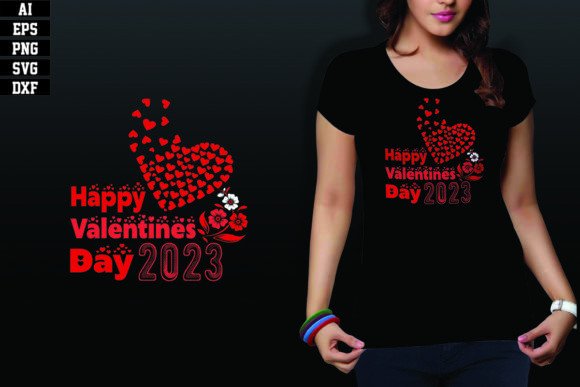
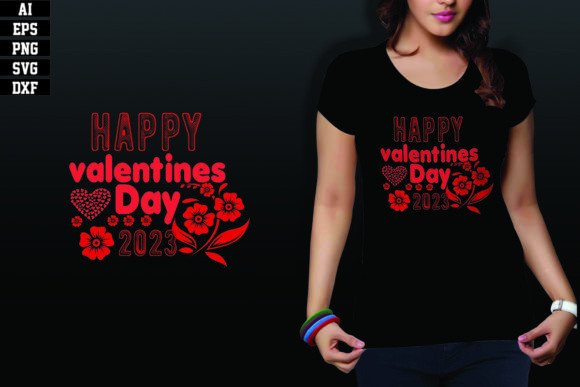
When I opened Happy Valentine’s Day 2023, what struck me first wasn’t its holiday cheer—but its quiet confidence. It doesn’t shout. It smiles. The layout balances soft curves and clean letterforms, with heart motifs that feel hand-drawn rather than stock-generated. As a designer who’s stitched hundreds of seasonal pieces for boutique clients and Etsy shops, I appreciate how this design avoids visual overload: no excessive swirls, no crowded flourishes, no tiny elements begging to vanish under thread. That matters—especially when you’re embroidering on baby onesies or linen tea towels where subtlety reads as sincerity.
Real-World Use: From Tote Bag to Nursery Decor
Last week, I prepped a small-batch run of organic cotton tote bags for a local gift shop’s Valentine’s pop-up. I chose Happy Valentine’s Day 2023 as the centerpiece—not because it was flashy, but because it held up at 4.5 inches wide in satin-stitched script and scaled beautifully down to 3 inches for matching aprons. On medium-weight canvas, the lettering stayed legible; the hearts retained shape without needing heavy fill stitch density. It also translated well into an embroidered patch for denim jackets—clean edges, consistent line weight, no awkward gaps between letters that trap lint or fray.
I tested it on a lightweight ribbed sweater too (a common request for personalized gifts), and while the fabric’s stretch required extra tear-away stabilizer, the design’s open spacing gave the stitches room to settle without puckering. That’s not guaranteed with every Valentine’s graphic—many drown in dense fills or rely on ultra-thin lines that break apart on textured knits.
Where It Shines—and Where to Pause
Happy Valentine’s Day 2023 works best on stable, mid-weight fabrics: cotton twill for patches, brushed poly-cotton for sweatshirts, linen-blend tea towels, and structured baby blankets. Its vector outlines mean you can adjust size without pixelation—but remember: embroidery isn’t vector art. What looks crisp on screen needs breathing room in thread.
- Small hoop sizes? Yes—if you reduce it thoughtfully. Avoid shrinking below 2.75 inches unless you’re using fine 60-weight thread and testing on scrap first.
- Dark fabric? Absolutely. The design’s generous letter spacing and bold silhouette ensure readability even in black thread on navy or charcoal.
- Curved surfaces like caps? Proceed with caution. The horizontal layout isn’t cap-optimized out of the box—consider simplifying the bottom heart or repositioning it for front-panel flow.
- Frequent washing? Prioritize smooth satin stitch over delicate running-stitch accents if stitching for kids’ items or kitchen linens. Check stitch density in the “2023” numerals—they’re clean, but dense enough to hold up.
Design Integrity Meets Commercial Practicality
This isn’t just a pretty graphic—it’s functional design assets. Because it comes as editable AI and EPS outlines, I resized and recolored elements for three different client projects in one afternoon: a blush-pink version for a bridal shower pillow cover, a navy-and-gold variant for a men’s boutique sweatshirt line, and a monochrome version for a minimalist printable mockup series. That flexibility is gold for Etsy sellers bundling digital embroidery files or craft business owners building cohesive seasonal collections.
But functionality doesn’t mean compromise. The letterforms avoid thin serifs or hairline connectors—the kind that vanish in fill stitch or snag during trimming. And unlike many T-Shirt Designs marketed for print, this one respects embroidery’s physical limits: no overlapping layers that force multiple hooping passes, no gradients that require specialty thread blending, no micro-details that demand 12-pass satin stitch.
What Your Customers Will Actually See—and Feel
Here’s the unspoken truth: people don’t buy embroidery files. They buy the feeling of a handmade product, the trust in a personalized gift, the quiet pride of wearing something intentional. Happy Valentine’s Day 2023 delivers that. It feels warm but not cloying, festive but not dated, simple but not generic. When stitched on a cream baby blanket, it reads as heirloom-quality—not mass-produced. On a charcoal apron for a baker’s shop, it adds charm without competing with branding. That balance elevates perceived value and encourages repeat buyers.
Designer Notes You’ll Want to Keep Handy
- Always test Happy Valentine’s Day 2023 on scrap fabric first—especially if pairing with textured or dark materials.
- Check thread color contrast early: light thread on light fabric can fade visually, even if technically legible.
- Review stitch density in tight curves—some hearts may benefit from slightly reduced density for smoother satin stitch flow.
- Confirm your hoop size fits the widest version you plan to use—no last-minute resizing mid-project.
- Inspect small details like the tail of the “y” and inner heart contours—they’re clear in vector form, but verify they translate cleanly to your machine’s minimum stitch length.
- Test black-and-white mockups before finalizing—this design holds contrast well, but always double-check.
- Use appropriate stabilizer: cut-away for knits, tear-away for stable wovens, fusible for lightweight linens.
- Verify licensing terms before selling finished embroidered items or reselling the digital embroidery file—this is critical for Etsy sellers and small shop owners.
Final Thought: A Design That Earns Its Place
Happy Valentine’s Day 2023 isn’t trying to be everything. It’s a focused, well-proportioned, embroidery-aware graphic—one that supports your craft business instead of complicating it. Whether you’re stitching custom apparel for a local café, creating nursery decor for a new parent, or building a seasonal bundle for your digital shop, it offers reliability without sacrificing personality. In a market full of rushed holiday graphics, that kind of thoughtful execution is rare—and worth keeping in your working library.