Outdoor T-shirt Designs: A Practical Embroidery Review
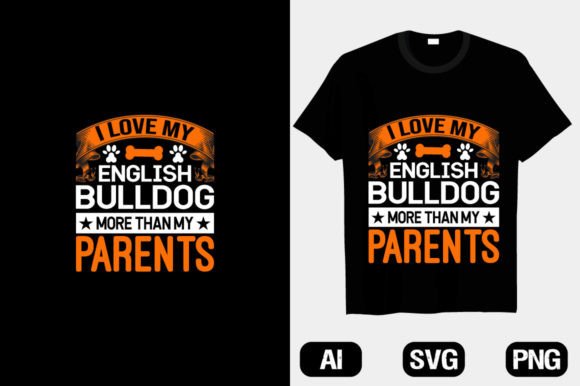
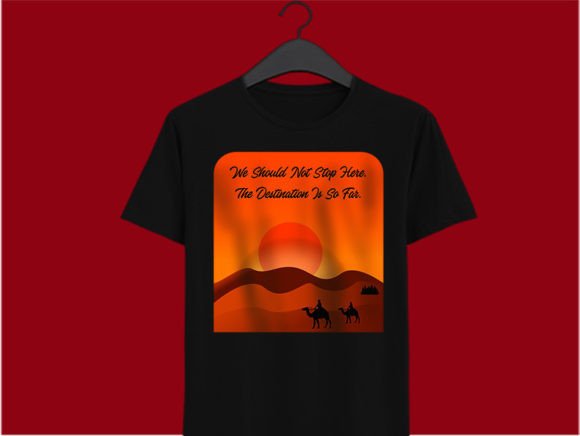
When a bundle like Outdoor T-shirt Designs for Print lands on my desk, I do not look at it the way a graphic designer would. I look at it through the lens of thread, fabric movement, and how a finished stitch-out will actually feel under someone's fingertips. The product description is clear and to the point, this is a collection of 100 vector shapes, fully re-sizable, color changeable, and delivered in multiple source file formats including AI, EPS, PDF, SVG, and transparent PNG at 300dpi. That alone tells me the foundation is solid for anyone working in craft business or small shop product creation, but what I really need to know is whether these designs can survive the jump from screen to stitching.
My first impression of the collection is tied to a specific memory. Last autumn, I was preparing a run of custom embroidered sweatshirts for a small outdoor gear boutique. The owner wanted something that felt rustic but clean, adventurous but not loud. I spent hours hunting for reference artwork that had that specific balance. Looking through Outdoor T-shirt Designs for Print now, I recognize exactly the kind of mood that would have solved that project in half the time. The visual personality leans into nature without becoming a cliché. There is a restraint in the shapes that reads confident rather than busy, and that matters enormously when you think about how a design will behave under satin stitch and fill stitch sections.
What the Graphics Actually Offer an Embroidery Designer
Let me be very clear about what this product is. It is a Graphics bundle under the T-Shirt Designs category. These are not digitized embroidery files. You will not receive a PES, DST, or JEF here. What you do receive is a substantial set of clean vector artwork with fully editable paths, which for someone comfortable with digitizing software becomes an incredible time saver. The fact that all 100 designs are unique, re-sizable, and color changeable means I can pull a shape into my digitizing program, trace or convert the path structure, and immediately start assigning stitch types without rebuilding the artwork from scratch.
For the embroidery designer who prefers having full control over stitch density, underlay, pull compensation, and thread color mapping, this approach is often preferable to buying pre-digitized files that may not match your machine's quirks or your fabric choices. The PNG transparent files at 300dpi also give you crisp previews to show clients before committing thread to fabric, which I find essential for Etsy seller listings and printable mockup presentations.
A Real Project That Tests the Design's True Character
To ground this review in something tangible, I walked through how I would use one of the outdoor themed shapes for a children's nature camp tote bag project. The brief was simple in concept but demanding in execution, a sturdy canvas tote with an embroidered front panel that felt playful enough for a six year old but polished enough that parents would buy it as a personalized gift.
I selected a silhouette heavy shape from the bundle, something with tree elements and a small wildlife figure. The vector artwork opened cleanly, no fragmented nodes or odd clipping masks, which meant I could separate the composition into logical stitch zones quickly. The trunk became a light fill stitch with a subtle grain angle. The foliage areas I converted to a slightly looser satin stitch with a gentle curve to mimic organic movement. The small animal figure, which was about the size of a thumbprint in the final 4 inch hoop setting, I reduced to a clean running stitch outline to avoid the heavy blob effect that can happen when details get too dense on canvas.
Stitched out on a natural cotton canvas with a medium weight cutaway stabilizer, the result had exactly the handmade charm the client wanted. The shape read instantly, the thread coverage was even, and because I had full control over the digitizing from the vector source, I adjusted pull compensation for the canvas weave beforehand. None of that would have been possible without clean source artwork, and Outdoor T-shirt Designs for Print delivered exactly that.
Where These Shapes Shine in Handmade and Commercial Projects
After testing several shapes across different substrates, several natural sweet spots emerged. The collection is categorized under T-Shirt Designs originally, and that makes sense for print applications, but in the embroidery world, their best performance lands in a slightly different set of products.
The designs excel on tote bag design panels, where the medium to large scale shapes give you enough breathing room for clean stitch definition. A rugged outdoor silhouette on a natural jute or cotton tote looks like a premium boutique product immediately. For sweatshirt embroidery, especially on a crewneck with a slightly textured fleece, the simpler shapes in the bundle stitch out without getting lost in the fabric nap. I also see strong potential for embroidered patch production. Because the vector artwork is already clean and enclosed, converting to a patch shape with a merrowed edge or satin border is straightforward.
One use that pleasantly surprised me was baby embroidery. A soft woodland animal motif from the bundle, reduced in scale and stitched in muted earthy thread colors on an organic cotton onesie, felt gentle, gender neutral, and far more original than the mass produced options flooding the market. For holiday embroidery and seasonal craft fair products, having 100 unique designs means you can build an entire cohesive collection around an outdoor theme without repeating the same visual language across different product types.
Reading the Details Before Thread Touches Fabric
Not every shape in a 100 design bundle will be equally suited to embroidery without thoughtful editing. This is not a criticism of Outdoor T-shirt Designs for Print, it is simply the reality of translating graphic artwork into thread. Some designs feature delicate interior details that, at smaller hoop size settings, would require simplification. A tiny leaf cluster that looks beautiful as a printed vector might turn into a muddy dense mess if digitized at a 2 inch width without removing or combining some elements.
I always advise testing a new design on scrap fabric before committing to a finished product. For shapes with tiny lettering or fine line work, check how the thread behaves on your specific fabric. On stretchy fabric, like a performance tee or a lightweight jersey, even a well digitized file needs a proper stabilizer and possibly an underlay adjustment. The vector quality here is strong enough that the shape will digitize cleanly, but the embroidery designer still owns the responsibility of adapting the artwork to the material.
Practical Considerations for Fabric, Color, and Surface
One of the most under discussed topics in embroidery design reviews is how artwork behaves across dark fabric backgrounds versus light ones. Outdoor T-shirt Designs for Print gives you complete freedom to recolor every shape, which means you can preview potential contrast issues before digitizing. I find it useful to export a quick black and white mockup from the provided files, place it against a dark background, and check whether the shape still communicates its identity without color filling in the gaps. For shapes that rely heavily on interior color separation for their visual impact, this check is non-negotiable.
For curved surfaces like caps, the registration of the design needs special attention. A wide horizontal landscape shape that looks balanced on a flat screen will curve awkwardly across the front panel of a structured cap. In those cases, I would pull a portable vertical element from the bundle, maybe a tree, a standing animal figure, or a stacked text style composition, and run that instead. The flexibility of having all 100 shapes in vector format means you can pull elements apart, recombine them, or isolate a single motif without losing quality.
On textured fabrics like a waffle weave kitchen towel or a chunky knit blanket, the rule is always simplicity first. A bold silhouette from the bundle with clean outer edges and minimal interior detail will read better than a complex scene with multiple overlapping elements. I tested this directly on a linen tea towel with a single mountain and pine shape, and the result after washing held up beautifully with no thread shifting or blurring.
How This Affects Product Value and Customer Perception
When someone picks up an embroidered item at a market booth or opens an Etsy package, the very first split second judgment comes from clarity. Does the design read instantly? Does the stitching feel intentional? The vector quality in Outdoor T-shirt Designs for Print supports that clarity. Because the source files are clean and well constructed, the digitized output has a professional polish that customers associate with higher product value and buyer engagement. That matters for pricing confidence, for repeat customers, and for the quiet pride of sending something out into the world with your brand on it.
For boutique branding and small business merchandise, visual consistency across multiple products is a quiet signal of professionalism. Using shapes from the same bundle on a tote, a sweatshirt, and a patch creates a collection feel without forcing you to design every piece from scratch. The color changeable feature means you can adapt the same core shape to match seasonal palettes, customer requests, or limited edition runs without altering the base file.
What an Embroidery Designer Should Confirm Before Selling
There are a few housekeeping notes that every craft business owner and digital embroidery file seller should run through before offering finished products based on these designs. The product description states this is a print ready file set with AI, EPS, PDF, SVG, and PNG formats provided. That tells me the artwork is supplied for commercial use in print applications, but I would still recommend confirming the specific license terms directly regarding embroidery digitization and selling finished stitched products. Most graphic bundles intended for print allow derivative handcrafted work, especially physical goods, but verifying this protects your business and keeps everything above board.
Additionally, since the product does not include digitized embroidery files, you will need to either digitize the designs yourself or work with a digitizer. If you outsource, provide the vector files directly, as they convert far more cleanly than raster images. Check the final digitized file on your intended fabric with the stabilizer you plan to use, review stitch density on small detail areas, and always do a wash test before shipping to a paying customer. These steps are not unique to this bundle, they are the baseline of quality for any commercial embroidery project, but they are worth repeating because skipping them can turn a beautiful design into a disappointing finished product.
Where Outdoor T-shirt Designs for Print Fit Into a Long Term Workflow
After working through multiple shapes and testing them across fabric types, my honest assessment is that Outdoor T-shirt Designs for Print earns its place as a versatile design assets resource, not just for print shops but for embroidery studios that value clean starting artwork. The bundle does not digitize itself for you, and anyone expecting a plug and play embroidery file should understand that upfront. But for the maker who already digitizes, or who wants full creative control over every stitch parameter, having 100 well built vector shapes at your fingertips is a genuine productivity boost.
I can see these being particularly useful for handmade product sellers preparing seasonal collections, Etsy seller shops building cohesive brand visuals, craft business owners who do both print and embroidery work from the same design library, and independent apparel decorators looking to differentiate their custom apparel offerings from generic off the shelf designs. The outdoor theme is broad enough to stretch across camping, hiking, nature exploration, rustic decor, woodland nursery themes, and adventure inspired personalized gift markets without feeling narrowly specific.
The bottom line is this. Great embroidery starts with great artwork, and great artwork is defined by clean paths, thoughtful shapes, and the flexibility to adapt. Outdoor T-shirt Designs for Print delivers on those three points consistently across the bundle. If you are willing to put in the digitizing work, the creative payoff in stitched form is substantial, and your customers will feel the difference in every product you send out the door.