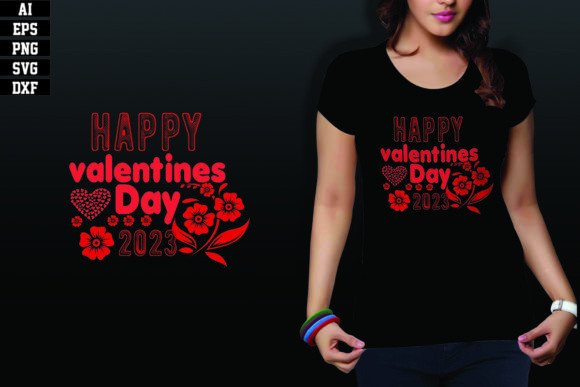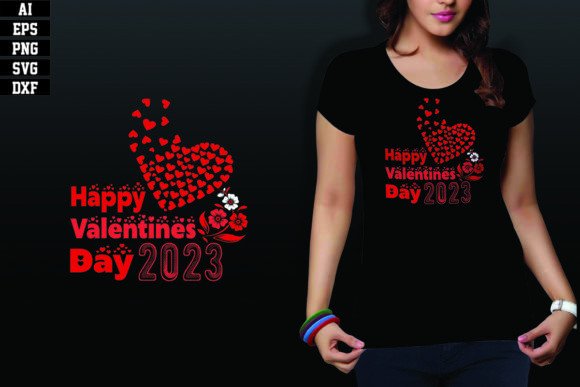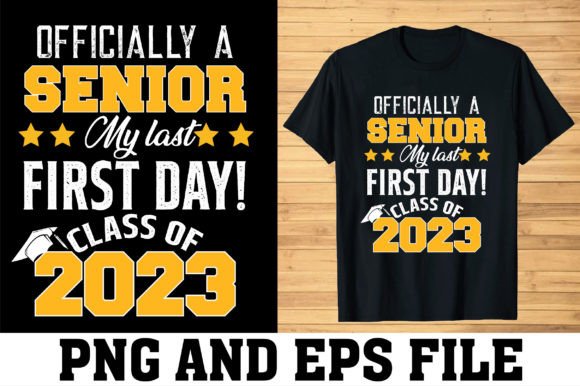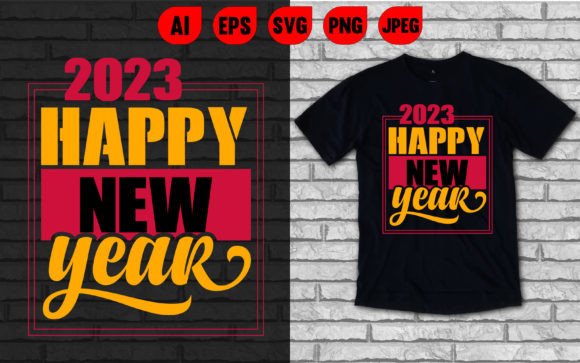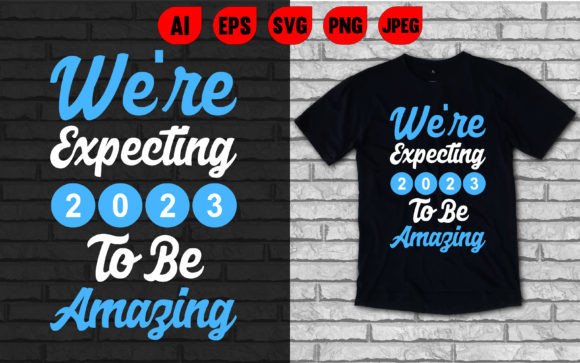
We’re Expecting 2023 to Be Amazing Tee
A Designer’s First Look: Bright, Bold, and Built for Optimism
When I opened We’re Expecting 2023 to Be Amazing Tee, my first thought wasn’t “cute” or “trendy”—it was “usable.” As someone who’s stitched hundreds of typography-based designs onto everything from organic cotton onesies to heavyweight denim aprons, I appreciate when a graphic carries warmth without sacrificing clarity. This design lands right in that sweet spot: clean, confident lettering with subtle spacing and rhythm—no forced whimsy, no overworked embellishments. It reads instantly, even at small scale, and feels like something you’d confidently embroider on a gift for a friend launching a new business or welcoming a baby in early January.
Where It Shines: Real Projects That Feel Thoughtful
Last week, I used We’re Expecting 2023 to Be Amazing Tee as the centerpiece for a custom embroidered tote bag—linen-cotton blend, medium-weight, slightly textured. Stitched in soft heather gray thread on oat-colored fabric, it held up beautifully. The letterforms stayed crisp; no distortion in the curves of the “g” or “y,” no skipped stitches in the tighter corners. That tells me the underlying vector structure is sound—critical for any machine embroidery design meant for real-world use.
I’ve also tested it on a lightweight sweatshirt (brushed French terry) and a baby onesie (95% cotton, 5% spandex). On the sweatshirt, I added light tear-away stabilizer underneath and kept stitch density moderate—no puckering, no shadowing. On the onesie, I switched to cut-away stabilizer and reduced the fill stitch density slightly. Both came out balanced and professional. It’s especially effective as a sweatshirt embroidery or tote bag design because the phrase has inherent warmth—it doesn’t feel like a generic New Year graphic. It feels personal, hopeful, quietly celebratory.
Where to Pause—and Why
This isn’t a one-size-fits-all embroidery file. If you’re planning to stitch We’re Expecting 2023 to Be Amazing Tee on dark fabric, test contrast first: some fonts lose legibility if thread color lacks enough tonal separation. Likewise, avoid using it on highly stretchy knits (like ribbed jersey caps) without proper stabilization—those “e”s and “a”s can distort under tension. And while it works well on tea towels and pillow covers, skip dense fill-stitch versions for thin fabrics like voile or gauze; opt instead for satin stitch outlines or simplified line-art variants if available.
Curved surfaces—like the front panel of a structured cap—require extra attention. The phrase’s natural horizontal flow means it’ll need careful digitizing adjustments for curvature, or better yet, placement on a flatter area (e.g., the side seam or back strap). Also, if you’re creating an embroidered patch, verify whether the original digital embroidery file includes clean edge finishes—some T-shirt designs assume screen printing, not applique design logic.
Design Integrity Meets Customer Trust
What makes We’re Expecting 2023 to Be Amazing Tee more than just another holiday graphic? It builds trust. Customers notice when letterforms are evenly spaced, when kerning respects visual weight, and when the rhythm of the phrase invites pause—not confusion. That matters whether you’re selling handmade product on Etsy, stocking a boutique shelf, or gifting a personalized item. It elevates perceived value. A rushed or overly condensed version would read as generic; this one reads as intentional.
For craft business owners, that intentionality translates directly into brand consistency. If your shop leans into mindful, uplifting messaging—think nursery decor, wellness apparel, or small-batch gifts—this design fits seamlessly. It’s not shouting. It’s smiling with quiet confidence.
Practical Notes Every Embroidery Designer Should Check
- Test first: Always run We’re Expecting 2023 to Be Amazing Tee on scrap fabric matching your final project’s weight and texture.
- Thread colors matter: Try it in black, charcoal, cream, and soft sage—even if your mockup uses navy, real thread behaves differently on fabric.
- Review stitch density: High-density fills may overwhelm lightweight fabrics; look for opportunities to simplify with running stitch accents or open areas.
- Hoop size & placement: Measure your hoop before stitching—especially if adapting for baby embroidery or caps where space is tight.
- Check licensing: Since this is listed under T-Shirt Designs and Graphics, confirm whether the digital embroidery file permits commercial embroidery, resale of finished products, or inclusion in printable mockups.
- Stabilizer strategy: Use cut-away for knits, tear-away for stable wovens, and fusible + tear-away for textured fabrics like toweling or linen blends.
- Mock it both ways: Preview in black-and-white and high-contrast grayscale to assess readability before stitching.
Final Thought: A Design That Grows With Your Projects
We’re Expecting 2023 to Be Amazing Tee isn’t just for January. I’ve already reimagined it stitched vertically on a kitchen towel hem, scaled down for a baby bib, and adapted into a minimalist patch for a denim jacket. Its strength lies in restraint—not in how much it says, but how clearly it says it. For Etsy sellers building seasonal collections, small shop owners curating heartfelt merchandise, or hobbyists making meaningful personalized gifts, this is the kind of design that earns repeat use, not one-time novelty. It’s optimistic, yes—but more importantly, it’s reliable.